
AI Boom Impact on RAM Prices in 2026
Explore how the AI boom is influencing RAM prices and availability in 2026. Discover the latest technology trends and their implications for consumers and businesses alike.
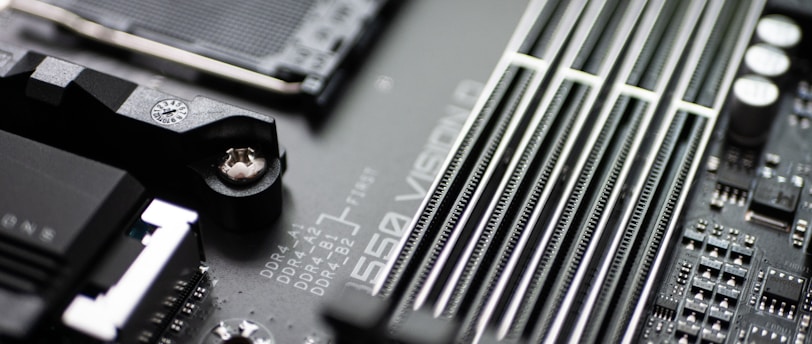

Why AI Boom Is Impacting RAM Prices and Availability in 2026
Artificial Intelligence is no longer a futuristic concept — it is now the backbone of modern technology. From AI chatbots and automation tools to machine learning models and cloud computing infrastructure, the AI boom is reshaping industries worldwide. But while most people focus on AI software, few realize that behind every powerful AI model lies a massive hardware demand — especially for RAM (Random Access Memory).
If you're exploring the future of automation and machine learning, check out What Is an AI Agent? Meaning, Examples & How They Work for practical examples and insights.
In 2026, one of the most discussed tech trends is how the rapid growth of AI data centers and AI-powered applications is impacting RAM prices and availability. Consumers, gamers, PC builders, and even small businesses are starting to notice rising memory costs and tighter supply chains.
So what is really happening?
Let’s break down how the AI boom is influencing the global RAM market, why memory demand is increasing, and whether this situation could lead to a long-term RAM shortage.
Understanding RAM and Why It Matters in AI
RAM (Random Access Memory) is a critical hardware component in computers and servers. It temporarily stores data that the CPU or GPU needs to access quickly. The more complex the task, the more memory is required.
AI systems — especially machine learning models and large language models — rely heavily on:
High-capacity RAM
High-bandwidth memory (HBM)
Data center-grade DRAM
GPU memory
Unlike normal consumer tasks such as web browsing or document editing, AI training workloads require massive datasets to be processed simultaneously. That means AI servers often use hundreds of gigabytes — sometimes even terabytes — of RAM.
This surge in AI memory demand is one of the key reasons analysts are discussing whether the AI boom is impacting RAM prices and availability globally.
The AI Boom and Explosive Data Center Growth
The AI industry has expanded rapidly, especially after the success of generative AI models and enterprise AI automation. Major tech companies are building large-scale AI infrastructure to support:
AI cloud computing services
AI model training
Real-time inference systems
Enterprise AI tools
Companies like NVIDIA have seen unprecedented demand for AI GPUs, which require advanced memory technologies such as High Bandwidth Memory (HBM). Meanwhile, cloud providers such as Amazon Web Services and Microsoft are expanding AI data centers to meet enterprise demand.
Each new AI data center requires:
Thousands of high-memory servers
Advanced DRAM modules
Specialized AI memory chips
Efficient memory bandwidth systems
This infrastructure growth significantly increases global RAM consumption.
How AI Increases Global Memory Demand
1. AI Model Training Requires Massive Memory
Training large AI models requires storing enormous datasets in memory for faster computation. Unlike traditional applications, AI systems:
Process billions of parameters
Store training weights in memory
Run parallel computations
Use memory-intensive neural networks
This leads to higher demand for:
Server-grade RAM
High-capacity DDR5 modules
HBM memory chips
2. AI Inference at Scale
Even after training, AI models require memory during deployment. Real-time AI applications such as chatbots, AI search engines, recommendation systems, and AI-driven analytics platforms run continuously on servers.
This means memory demand is not temporary — it is ongoing.
3. Enterprise AI Adoption
Small and medium businesses are integrating AI tools into daily operations. From predictive analytics to automated customer support, AI software requires backend infrastructure supported by large memory pools.
The result? A steady rise in RAM demand across enterprise environments.
RAM Prices: Why Are They Rising?
When demand increases faster than supply, prices usually follow. The AI boom has created a situation where:
Memory manufacturers prioritize high-margin AI memory chips
Consumer RAM production may slow
Data center buyers purchase memory in bulk
Global semiconductor supply chains face pressure
Memory manufacturers like Samsung Electronics and SK Hynix are heavily investing in AI-focused memory production.
However, producing advanced AI memory such as HBM is complex and limited to certain facilities. This can reduce overall DRAM supply for consumer markets, leading to:
Higher DDR5 prices
Fluctuating RAM availability
Increased hardware costs for PC builders
Consumer Impact: Gamers and PC Builders
One major question is:
Is AI causing RAM shortages for everyday users?
While we are not seeing a complete global RAM shortage yet, there are noticeable impacts:
DDR5 RAM prices have shown volatility
High-capacity modules (32GB, 64GB) may cost more
Budget RAM availability may fluctuate
Upgrading gaming PCs may become more expensive
Gamers building high-performance systems, especially those pairing GPUs with large memory configurations, are feeling price pressure.
AI vs Consumer RAM: A Resource Allocation Shift
The memory used in AI servers is not identical to consumer RAM. However, they share production resources, fabrication capacity, and semiconductor supply chains.
When manufacturers allocate more wafer capacity toward:
HBM production
Server-grade DRAM
AI accelerator memory
It can indirectly reduce consumer RAM output. This reallocation of resources is one of the biggest reasons analysts believe the AI boom is impacting RAM prices and availability.
Is There a Global RAM Shortage in 2026?
The word “shortage” may sound dramatic, but the situation is more complex.
Instead of a complete shortage, what we’re seeing is:
Supply chain tightness
Increased AI-driven demand
Memory market cycles
Production prioritization shifts
The semiconductor industry operates in cycles. Historically, memory prices fluctuate due to:
Overproduction
Undersupply
Global demand spikes
Economic slowdowns
AI has simply accelerated demand at a scale few predicted.
AI Hardware Investment and Memory Innovation
The positive side of the AI boom is increased innovation. Companies are investing billions into memory research and development, including:
Advanced HBM3 and HBM4 memory
Energy-efficient DRAM
AI-optimized memory architectures
On-chip memory integration
This could eventually stabilize prices and increase supply capacity. For example, Micron Technology has announced plans to expand memory production to support AI-driven workloads. Over time, supply expansion could balance market demand.
Long-Term Outlook: Will RAM Prices Continue Rising?
Several factors will determine future RAM prices:
1. AI Growth Rate
If AI adoption continues accelerating rapidly, memory demand will stay high.
2. Manufacturing Expansion
If semiconductor companies increase fabrication capacity, supply may stabilize.
3. Consumer Demand
If PC and smartphone demand slows, consumer RAM prices could normalize.
4. Geopolitical Factors
Trade policies, chip export restrictions, and global tensions can affect semiconductor supply chains.
Most analysts believe RAM prices may remain volatile in the short term but could stabilize as production scales.
Should Consumers Be Worried?
For everyday users:
Basic laptops and office PCs are unlikely to be heavily affected.
High-end gaming and workstation builds may see higher costs.
Enterprise IT budgets may need adjustments for memory upgrades.
If you are planning to build or upgrade a PC, monitoring RAM market trends can help you buy at the right time.
AI Infrastructure vs Everyday Computing
It’s important to understand that AI infrastructure operates at a completely different scale compared to consumer computing.
An AI data center may deploy:
Thousands of servers
Multi-terabyte memory clusters
Advanced GPU systems
High-speed memory interconnects
Compared to a home PC with 16GB or 32GB RAM, the difference is enormous.
Even a small increase in AI data center deployment can consume memory volumes equivalent to millions of consumer PCs.
Is AI the Only Reason for RAM Price Fluctuation?
No, Other contributing factors include:
Semiconductor fabrication limitations
Economic cycles
Currency exchange fluctuations
Supply chain disruptions
Smartphone and gaming demand
However, the AI boom is currently one of the strongest demand drivers in the semiconductor memory market.
Frequently Asked Questions (FAQs)
1. Is AI causing a global RAM shortage?
AI is increasing memory demand significantly, especially for server-grade RAM and high-bandwidth memory. While it hasn’t caused a full global shortage, it has contributed to price volatility and tighter supply in certain segments.
2. Why does AI require so much RAM?
AI models process large datasets and billions of parameters simultaneously. This requires high-capacity and high-bandwidth memory to ensure fast computation and real-time processing.
3. Will RAM prices continue to rise in 2026?
RAM prices may remain volatile due to AI demand and semiconductor production cycles. However, increased manufacturing capacity could stabilize prices over time.
4. Does AI affect gaming PC RAM prices?
Indirectly, yes. When memory manufacturers prioritize AI and data center demand, consumer RAM production may tighten, which can influence gaming PC memory prices.
5. Should I buy RAM now or wait?
If you urgently need an upgrade, buying during market dips is ideal. Monitoring trends in AI infrastructure growth and semiconductor production announcements can help you decide.
Conclusion: AI Boom and the Future of RAM Availability
The rapid growth of artificial intelligence is transforming not only software but also global hardware infrastructure. AI data centers, machine learning workloads, and enterprise AI adoption are significantly increasing global memory demand.
The rapid evolution of connected devices is also driving innovation in residential spaces — read our in-depth article on Rise of Smart Home Technology: Transforming Modern Living to understand this transformation.
While we are not facing a catastrophic RAM shortage, the AI boom is clearly impacting RAM prices and availability in 2026. Increased server-grade memory production, high-bandwidth memory demand, and semiconductor capacity shifts are influencing consumer markets.
In the long run, expanded manufacturing and technological innovation may balance supply and demand. But for now, AI remains a major force shaping the future of the global RAM market.
Contact
Questions? Reach out anytime.
Gmail
Phone
coolguy4430@gmail.com
© 2025. All rights reserved.